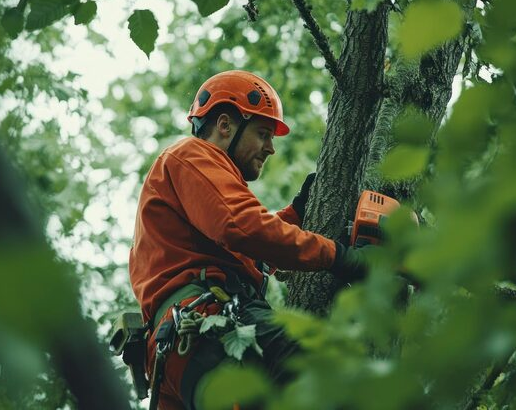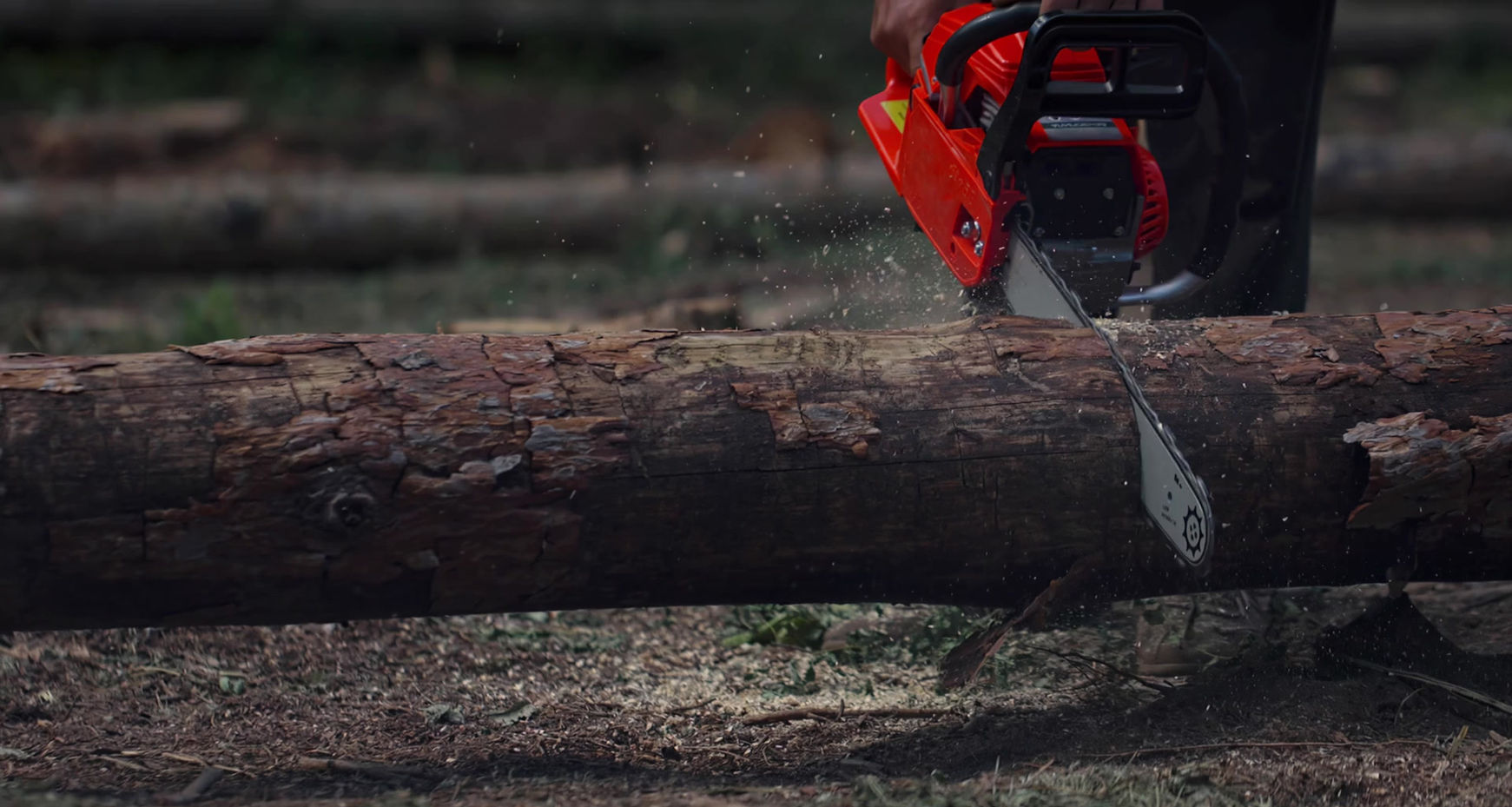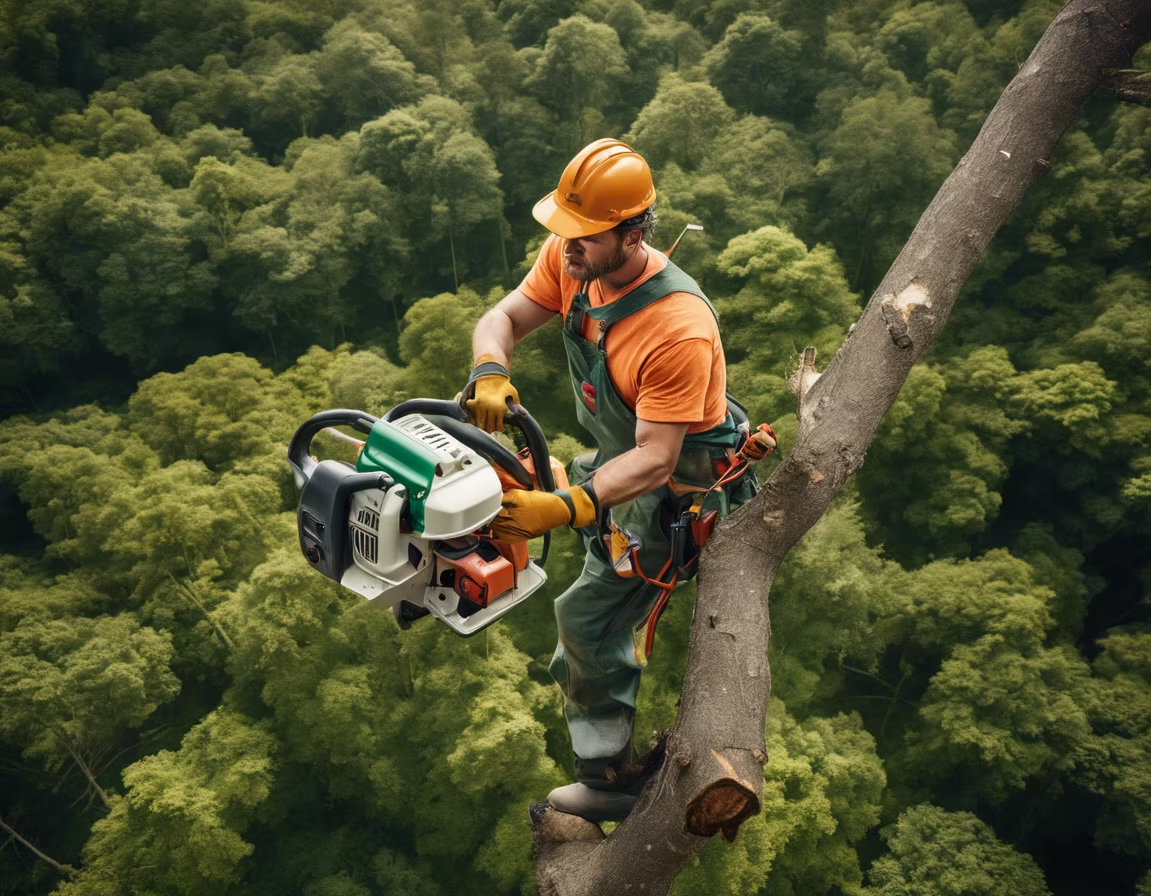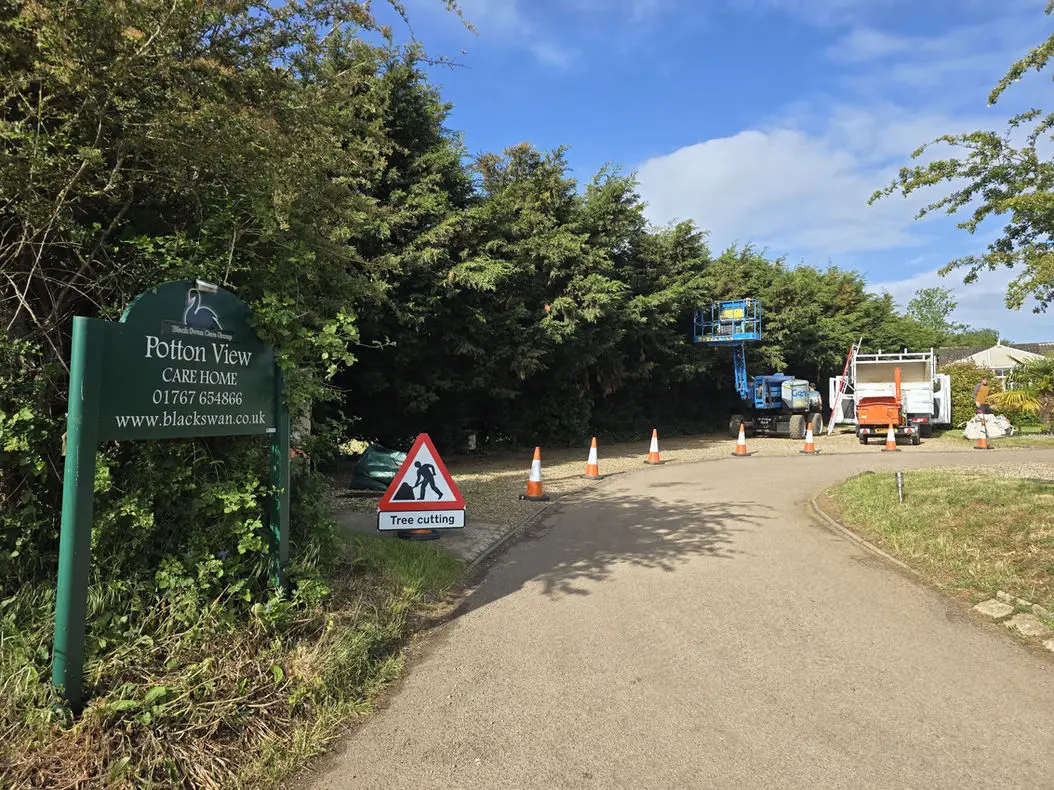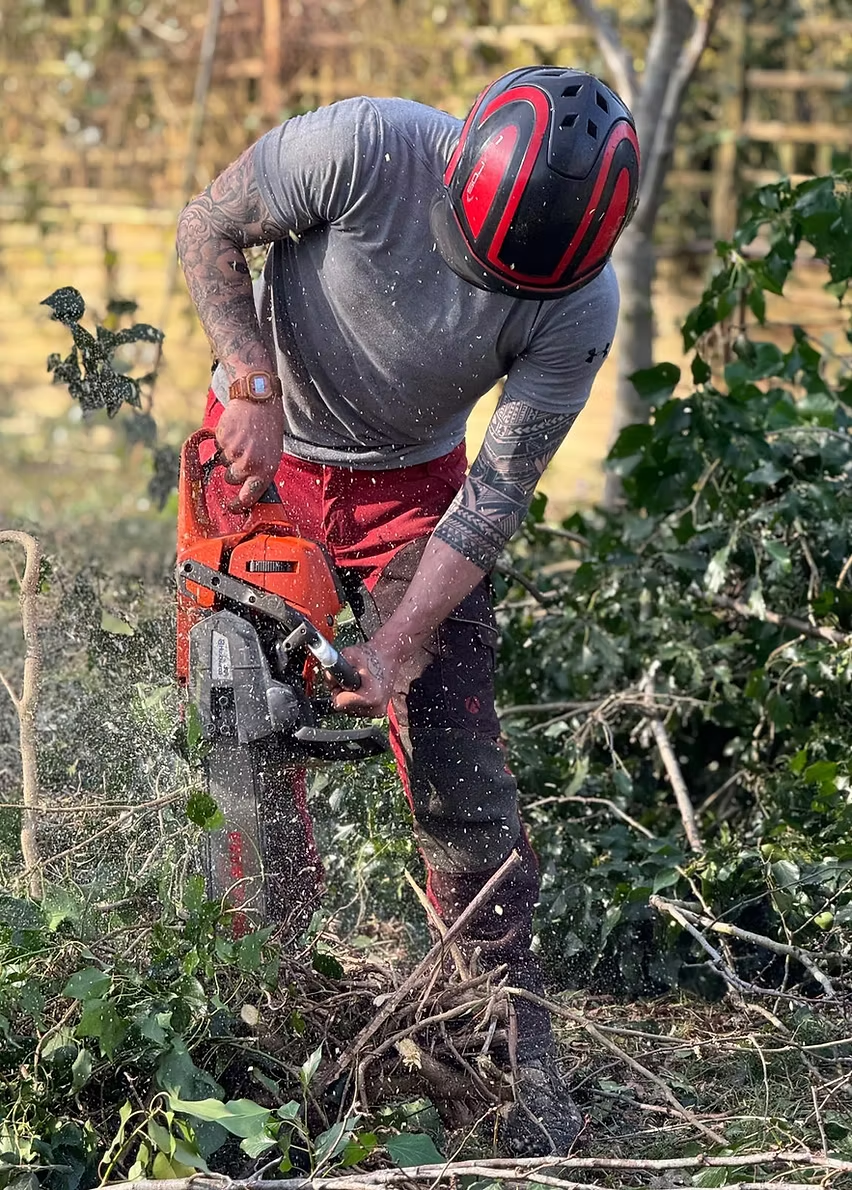
Tree surgery helps prevent disease by removing infected limbs before pathogens spread to the trunk or neighbouring flora. Professional pruning improves airflow and sunlight penetration, which eliminates the damp, stagnant conditions where fungi thrive. This proactive care can give homeowners confidence in maintaining a healthy, vibrant garden.
For residents investing in tree surgery in Hitchin, proactive crown thinning and deadwooding act as a biological firebreak, preventing common UK pests and diseases — such as Ash Dieback and Honey Fungus — that can cause significant damage and decimate your garden ecosystem. It is a vital preventative measure that ensures long-term structural integrity and vibrant health for every species in your landscape.
How does tree surgery help?
A garden is a delicate network of interconnected organisms. When one large specimen falls ill, it doesn’t just suffer in isolation; it becomes a reservoir for infection that can threaten your entire outdoor space.
Strategic pruning and the removal of necrotic tissue
The most common entry point for disease is through unmanaged deadwood. Dead or dying branches are open invitations for wood-boring insects and opportunistic fungi. A qualified tree surgeon doesn’t just cut back a tree; they perform surgical extractions of necrotic tissue.
By making clean, precise cuts at the branch collar, they allow the tree to form a natural callus. This sealing process is the tree’s primary defence mechanism, preventing airborne spores from entering the vascular system and causing internal decay.
Improving vital air circulation and light levels
Fungal infections, such as powdery mildew or various leaf spots, flourish in congested, humid canopies where air cannot circulate. Through a process known as crown thinning, a surgeon selectively removes a portion of the secondary branch structure. This doesn’t change the overall shape of the tree but allows the wind to move through the leaves more freely.
This drying effect is lethal to many common pathogens. When performing tree surgery in Hitchin, professionals also consider how a thinned canopy allows more UV light to reach the garden floor, strengthening the lawn and shrubs below, which further bolsters the garden’s collective immunity.
Early identification of silent pathogens
To the untrained eye, a tree might look healthy even while it is being hollowed out by heart rot or strangled by girdling roots. Tree surgery involves a comprehensive health audit.
Professionals are trained to spot the early warning signs of tree health issues: unusual bark textures, premature leaf drop, or the presence of ‘fruiting bodies’ (mushrooms) at the base of the trunk. Recognising these signs can help you catch infections early, often making the difference between a minor pruning job and a costly felling operation.
Soil management and root health
Disease often starts underground. Compacted soil and poor drainage can lead to root rot, weakening a tree’s immune system. Surgeons often use soil aeration techniques or prescribe specific mulching regimes to help homeowners feel empowered to support their trees’ health from the ground up.
A tree with a robust, well-nourished root system is far more capable of fighting off external threats than one struggling in waterlogged or nutrient-poor earth.
Safeguard living landscapes with expert care
Investing in professional arboreal care offered by leading service providers like Root to Crown is an act of stewardship that extends far beyond aesthetics.
It is about understanding the biological requirements of your garden’s trees and providing them with the structural support they need to resist the pressures of the British climate and native pests.
By addressing vulnerabilities before they become crises, you transform your garden into a resilient, self-sustaining environment. This proactive approach saves the heartbreak of losing a mature specimen that may have taken decades to grow. Expert surgery provides the technical reset a tree needs to focus its energy on new, healthy growth rather than fighting a losing battle against decay.
Ultimately, a well-managed canopy is a thriving one, offering a lush, safe, and disease-free backdrop that enhances your home’s value and your own peace of mind for years to come.